Circle Stitch: A Designer's Real-World Review
As a designer who has spent years navigating the gap between digital mockups and physical stitched reality, I approach every new machine embroidery design with a mix of curiosity and skepticism. The market is flooded with generic shapes, but finding a versatile asset that translates well from screen to fabric is rare. Today, I am putting Circle Stitch through its paces. This isn't just about downloading an embroidery file; it is about understanding how this specific Decorative Elements graphic will perform in a real craft business environment.
The First Impression: Mood and Versatility
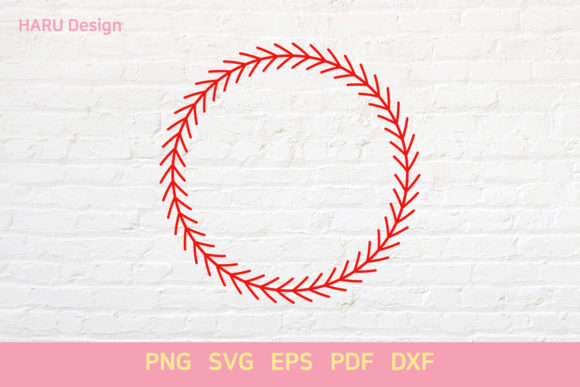
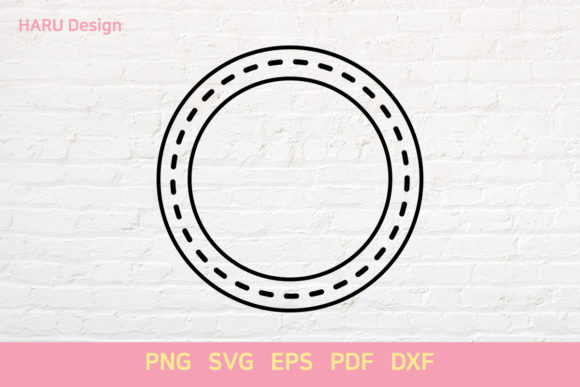
When I first opened the files for Circle Stitch, the immediate feeling was one of clean, geometric potential. As a Graphics asset, it avoids the clutter often found in trendy designs. The 12in×12in artboard size suggests a generous canvas, which is promising for scalability. In my experience, a circular motif like this often serves as the perfect anchor for a logo or a focal point on a garment. It feels neutral enough to be adapted for a bohemian nursery or a sleek boutique brand, yet distinct enough to stand out on a busy shelf.
The visual personality of Circle Stitch leans towards modern minimalism. It does not scream "holiday" or "seasonal," which makes it an excellent candidate for year-round inventory. For an Etsy seller looking to expand their catalog without overhauling their entire aesthetic, this kind of design is gold. It allows you to pivot quickly between product lines while maintaining a cohesive brand identity.
A Real-World Scenario: The Custom Tote Bag Project
To truly test the utility of Circle Stitch, let’s imagine a specific project: creating a line of premium custom tote bags for a local coffee shop client. The goal is to place the design on the front pocket area of a heavy-duty cotton canvas bag. This scenario tests the design's ability to handle texture and frequent handling.
In this context, Circle Stitch shines. The circular shape naturally frames the center of the pocket, drawing the eye inward. Because the design is available in multiple formats including SVG, EPS, and DXF, I can easily manipulate the scale to ensure it fits perfectly within a 5x7 inch hoop without distorting the proportions. When I visualize the final finished product, I see the fill stitch holding up well against the rough weave of the canvas. The smooth curves of the circle suggest that there are no sharp corners to fray or snag, which is critical for a tote bag design that will be carried daily.
However, the success here depends heavily on thread selection. On natural beige canvas, a deep charcoal or forest green thread color would create the necessary contrast to make the Circle Stitch pop. If I were using a lighter shade, the design might get lost in the fabric texture. This is a crucial reminder for any small shop owner: the design is only as good as the execution.
Performance Across Different Embroidery Projects
Beyond the tote bag, where else does Circle Stitch excel? Its adaptability makes it a strong contender for various applications:
- Custom Apparel: On a heavyweight sweatshirt, this design works beautifully as a chest logo or a large back print. The circular form balances well with the boxy silhouette of a hoodie.
- Baby Embroidery: For delicate items like burp cloths or bibs, the soft edges of the circle are gentle and non-threatening. It pairs well with pastel thread colors and softer stabilizers.
- Personalized Gifts: Adding a monogram inside the circle transforms this into a high-value personalized gift. The symmetry of the design ensures that lettering remains legible even at smaller scales.
- Home Decor: Imagine this on a pillow cover or a kitchen towel. The simplicity of the Graphics prevents it from overwhelming the room's decor, acting as a subtle accent piece.
For those selling digital embroidery files, having the design in PNG and PDF formats is also a massive advantage. You can use these to create stunning printable mockups for your online store, showing customers exactly how the design looks before they buy. Visual clarity in your listings builds customer trust and reduces return rates.
Where Caution is Required
While Circle Stitch is versatile, it is not a magic bullet for every situation. As a professional reviewer, I must highlight where this design requires careful handling. First, consider the hoop size. While the artboard is 12in×12in, shrinking the design too much for a small cap or a hat brim can compromise the stitch density. Tiny details may blur together, leading to a muddy appearance.
Secondly, be mindful of the fabric type. On thin or highly stretchy fabrics like jersey knit, a dense circular fill can cause puckering if the wrong stabilizer is used. Always test the design on scrap fabric first. If you are working with dark fabrics, ensure the underlay stitches are sufficient to prevent the background color from bleeding through the white or light-colored threads.
Furthermore, avoid placing this design on curved surfaces where the tension might pull the threads unevenly. For example, stitching a perfect circle onto a rounded baseball cap requires precise digitizing adjustments that may not be present in the default file. Always inspect the running stitch and satin stitch areas closely before committing to a full production run.
Practical Notes for Designers and Makers
If you decide to incorporate Circle Stitch into your workflow, follow these practical steps to ensure professional results:
- Test Before You Sell: Never skip the test run. Stitch the design on a scrap piece of the exact fabric you intend to use. Check for registration issues and thread breaks.
- Verify File Formats: Ensure your machine software supports the provided SVG, EPS, or DXF files. Convert them if necessary to match your machine's native format.
- Check Licensing: Before selling finished products or the digital files themselves, confirm the licensing terms. Some commercial embroidery licenses restrict the number of items you can sell.
- Optimize Thread Colors: Experiment with different palettes. A bold red might look aggressive on a baby item but perfect for a holiday-themed apron.
- Mockup Rigorously: Use the included PNG files to create realistic mockups. Show the design on light and dark backgrounds to help customers visualize the final look.
Final Thoughts on Value and Appeal
Ultimately, Circle Stitch offers a solid foundation for designers looking to add value to their handmade products. Its clean lines and scalable nature make it a reliable asset for both hobbyists and serious creative entrepreneurs. By understanding its strengths and limitations, you can leverage this embroidery project to create items that feel polished and professional.
In a crowded marketplace, the difference between a good product and a great one often lies in the details. Circle Stitch provides the structural integrity needed for high-quality work, but it is your expertise in selecting fabrics, threads, and stabilizers that will bring it to life. Whether you are crafting a single embroidered patch for a friend or producing a full collection for your boutique, this design stands ready to elevate your work. Just remember: the best design assets are those that serve your vision, not the other way around.