Christmas Mandala: A Designer's Practical Review
As someone who has spent years navigating the intersection of digital design and physical stitching, I approach every new machine embroidery design with a mix of excitement and skepticism. The holiday season is a critical revenue window for any craft business, and the pressure to find fresh, high-quality assets is immense. Recently, I had the chance to evaluate the Christmas Mandala, a graphic asset marketed heavily toward KDP designers but promising versatility for those of us in the handmade and custom apparel space. My goal here isn't just to list features, but to walk you through how this design actually translates from a screen file to a finished product on fabric.
First Impressions: Mood and Visual Structure
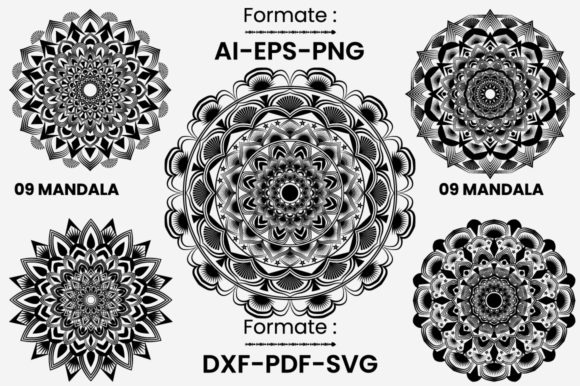
When I first opened the source files for the Christmas Mandala, the immediate visual impact was one of balanced complexity. Unlike many holiday graphics that rely heavily on chaotic clutter or overly bold text, this design leans into the symmetry and intricate geometry typical of mandalas. It feels like a sophisticated take on traditional snowflakes, blending the spiritual calmness of a mandala with the festive cheer of the season. For an Etsy seller or boutique owner looking to elevate their brand away from generic clip art, this offers a distinct aesthetic.
The layout suggests it belongs naturally in projects where detail can be appreciated up close. As a category of Decorative Elements, it functions well as a central focal point rather than a repeating background pattern. The visual personality is elegant yet festive, making it suitable for both adult-oriented gifts and upscale nursery decor. However, the density of the lines immediately raises a question about stitch definition, which is crucial when moving from a digital preview to real-world application.
Real-World Application: From File to Fabric
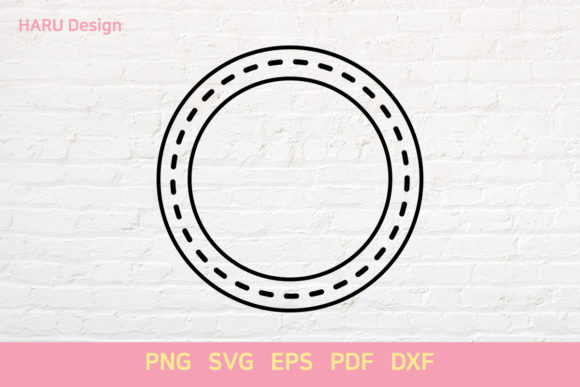
To truly test the viability of the Christmas Mandala, I imagined a specific project: a premium organic cotton tote bag intended for a local craft fair. This scenario requires a design that holds up to scrutiny and frequent handling. When planning the placement on the tote, the circular nature of the mandala fits perfectly within a standard hoop size, allowing for a centered composition without awkward cropping.
In a real-life embroidery situation, the success of this design hinges on how the software interprets the curves. If the vector lines are clean, the resulting fill stitch should create a smooth, solid appearance. However, if the original graphic has jagged edges, the machine might struggle, leading to thread breaks or uneven coverage. For custom apparel like sweatshirts or heavy canvas aprons, the design would likely stand out beautifully, provided the right stabilizer is used to prevent puckering. The intricate details could also work wonderfully for an embroidered patch, where the backing provides extra stability for dense areas.
I also considered its potential for baby embroidery. While mandalas can sometimes feel too complex for infant wear, the Christmas theme softens the look. On a baby blanket or a personalized onesie, using softer pastel thread colors against the geometric structure could yield a very modern, chic result. Conversely, for holiday gifts like pillow covers or tea towels, the design adds a touch of artisanal quality that mass-produced items simply cannot match.
Navigating Challenges: Where Caution Is Needed
Despite its appeal, the Christmas Mandala is not a "set it and forget it" design. There are specific scenarios where this embroidery file requires careful handling. First, consider the hoop size. If you attempt to scale this down too much for a small cap or a narrow cuff, the fine lines will merge, creating a muddy mess. The design needs breathing room to maintain its clarity.
Fabric texture is another critical factor. On textured fabrics like fleece or thick wool, the intricate details of the mandala might get lost in the pile of the material. Similarly, on stretchy knits or thin silk, the density required to fill the mandala shapes could cause significant distortion. In these cases, you must use a strong cut-away stabilizer and potentially reduce the stitch density to allow the fabric to move without warping.
Dark fabrics present their own challenge. While the design looks striking in black and white mockups, stitching light colors over dark backgrounds often requires underlay stitches that aren't always automatically generated by conversion software. You may need to manually add layers to ensure the thread colors pop and the design doesn't look washed out. Additionally, if you are planning to sell these as small shop products, remember that customers will wash these items. Dense stitch areas in a complex mandala can sometimes trap moisture or cause shrinkage issues if the tension isn't dialed in correctly.
Enhancing Value and Professionalism
Using a high-quality asset like the Christmas Mandala directly impacts the perceived value of your finished product. In a crowded market, the difference between a generic star and a detailed mandala can be the deciding factor for a buyer. It signals that you care about design integrity and craftsmanship. This level of detail builds customer trust and encourages repeat business, especially for personalized gifts where uniqueness is paramount.
For digital product sellers offering mockups, the clean lines of this graphic make it easy to render realistic previews. Whether you are selling the design itself or showcasing a tote bag design on your website, the visual appeal drives engagement. It allows you to position your brand as one that offers curated, professional-grade aesthetics rather than just commodity crafts.
Practical Notes for the Designer
Before committing to a client order or a large production run, I strongly advise running a test on scrap fabric. Check the running stitch outlines and the internal fills to ensure there are no gaps or excessive overlaps. Verify the hoop size compatibility with your specific machine, as some older models struggle with complex vectors. Always review the design in black and white first to spot any contrast issues before loading expensive threads.
Finally, confirm the licensing terms. The product description mentions formats like AI, EPS, PNG, PDF, DXF, and SVG, which are great for versatility, but you must ensure you have the rights to use them for commercial embroidery if you plan to sell the physical items. Do not assume that buying a digital file grants unlimited commercial rights; always read the license agreement. By taking these practical steps, you ensure that the Christmas Mandala becomes a profitable, beautiful addition to your portfolio rather than a costly mistake.