Baseball Circle: A Designer’s Real-World Embroidery Review
First Impressions: A Rounded Touch of Americana
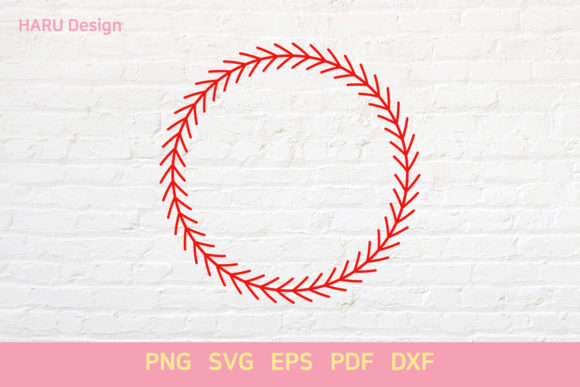
When I first opened the Baseball Circle design, I immediately got that classic, playful Americana vibe. The design centers around a circular layout with a baseball motif, which feels like a natural fit for sports-themed projects, kids' items, or even boutique-style apparel. Visually, it’s clean and stylized—enough detail to stand out, but not so intricate that it feels overwhelming. It leans more toward a decorative graphic than a literal illustration, which gives it some flexibility in application.
As a designer, I appreciated the symmetry and balance in the layout. The circle acts as a natural frame, guiding the eye inward. It doesn’t scream for attention, but it definitely makes a statement. I could see this working well as a focal point on a tote bag or as a subtle accent on a baby onesie.
Real-Life Use: From Sweatshirts to Patches
I decided to test Baseball Circle on a few different items I was prepping for a client: a custom sweatshirt, a tote bag, and a small embroidered patch. On the sweatshirt, the design stitched out cleanly, with the satin and fill stitches holding up well against the heavier knit fabric. The circular shape gave the piece a finished, intentional look—like it was meant to be there. It added a sporty flair without overpowering the garment.
On the tote bag, the same design felt more like a lifestyle statement. It wasn’t just an embroidered logo; it was part of the product’s personality. I could easily see this being used by Etsy sellers creating custom sports-themed bags or boutique-style accessories.
As a patch, Baseball Circle worked beautifully. The design’s enclosed shape made it easy to hoop and stabilize, and the edges held up well after trimming. I could imagine this being sold as a digital embroidery file for crafters who want to add a quick, themed element to jackets, hats, or backpacks.
Where It Shines—and Where to Watch Your Step
Baseball Circle performs best on smooth, medium-weight fabrics. I tested it on cotton, felt, and a light fleece, and all gave solid results. The design’s moderate stitch density makes it forgiving on most machines, and it doesn’t require a ton of thread color changes, which is always a plus when you're batching out custom items.
However, I’d be cautious using it on very stretchy fabrics like performance knits or thin materials like voile. The satin stitches could pucker if the stabilizer isn’t up to the task. Similarly, on dark fabrics, I noticed some of the lighter thread tones didn’t pop as much as I’d hoped. A quick mockup in black and white helped me adjust the color palette before stitching.
It’s also not the best choice for very small hoop sizes. If you’re trying to scale it down for a baby cap or a curved surface like a hat, you’ll need to test it first. The details in the ball’s stitching and any small lettering (if added) can get lost when reduced too much.
Impact on Product Value and Customer Appeal
One thing I’ve learned in the embroidery business is that the right design can elevate a product from “nice” to “must-have.” Baseball Circle has that potential. It’s versatile enough to be used in a variety of contexts, from personalized gifts to small business merchandise. As a digital embroidery file, it offers crafters and Etsy sellers a ready-made design that’s easy to implement and visually engaging.
From a branding perspective, Baseball Circle could help maintain a consistent visual identity across a product line—especially if you’re curating a collection of Americana or sports-themed items. It also has gift appeal: embroidered on a baby blanket or a holiday tote, it reads as thoughtful and intentional, not just decorative.
Where it really shines is in presentation. The rounded shape feels finished and polished. Even on a simple tea towel or pillow cover, it adds a level of professionalism that customers notice. That’s important when you’re running a craft business or selling handmade items online—your work needs to stand out in a crowded market.
Designer Notes: Practical Tips for Real-World Use
- Test on scrap fabric first—especially if you’re using a new material or a different thread brand.
- Check thread color contrast by doing a quick black and white mockup. Some tones may blend in unexpectedly on dark or textured backgrounds.
- Review stitch density before embroidering on delicate or stretchy fabrics. You may need to adjust settings for better stability.
- Confirm hoop size compatibility if you’re scaling the design up or down. Baseball Circle is designed for a 12x12 artboard, so smaller hoops will require adjustments.
- Inspect small details under magnification—especially if you’re reducing the design for caps or baby items.
- Use the right stabilizer based on your fabric type. Tear-away works well for most cottons, but you might need a cutaway for stretchy knits.
- Verify licensing before selling finished items or including it in digital product bundles. Even though the design is decorative, commercial use should always be confirmed.
Final Thoughts: A Solid Addition to Your Design Kit
Baseball Circle is a well-balanced, aesthetically pleasing design that holds up in real embroidery work. Whether you're creating a custom sweatshirt, a boutique tote, or a digital embroidery bundle, it’s a practical, flexible choice. It’s not overly complex, but it’s not generic either—it has character, which is what makes it valuable in a handmade or small-batch setting.
For Etsy sellers, crafters, and small business owners, Baseball Circle offers a ready-to-use decorative element that enhances product appeal without demanding too much in terms of setup or execution. It’s a solid addition to your design assets, especially if you're curating a collection of Americana, sports, or seasonal themes.
As a designer who uses embroidery files daily, I’d say Baseball Circle earns a spot in your toolkit—not just for its looks, but for its performance and adaptability across a range of real-world projects.