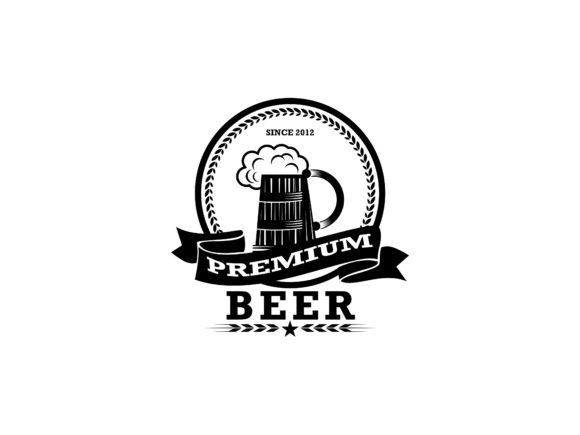
Premium Beer Vintage Badge: A Designer's Review
When I first opened the Premium Beer Vintage Badge file, I wasn't just looking for another generic graphic; I was hunting for a design that could carry weight on a finished product. In the world of machine embroidery design, the difference between a flat image and a stitched masterpiece often comes down to how well the vector lines translate into physical thread. This specific badge, categorized under Logos and Graphics, immediately struck me with its retro charm. It has that classic "old school" brewery aesthetic—think weathered wood, bold serif typography, and intricate borders—that screams quality without needing to shout.
However, as someone who has spent years testing designs for client projects and my own craft business, I know that visual appeal on a screen is only half the battle. The real test happens when you load the embroidery file into your machine and watch the needle dance across the fabric. Let's dive into how this vintage label actually performs in the real world.
The First Impression: Mood and Visual Personality
The Premium Beer Vintage Badge exudes a sense of nostalgia. The layout is balanced, with a central focal point surrounded by decorative elements that frame the text perfectly. For an Etsy seller or a small shop owner looking to create a cohesive brand identity, this design offers a distinct personality. It feels premium, not cheap. The use of traditional badge shapes suggests durability and heritage, which are powerful psychological triggers for customers buying handmade goods.
Visually, the design relies heavily on contrast and clear definition. The vector nature of the source files (EPS, SVG) ensures that the lines remain crisp regardless of how much you scale them up or down before converting them to an embroidery project. This is crucial because many vintage-style designs lose their character when the details get too muddy during the digitizing process. Here, the lines seem robust enough to handle the transition from digital design assets to physical thread.
A Real-World Scenario: The Custom Tote Bag Project
To truly understand the potential of this badge, imagine a scenario where you are preparing a batch of custom embroidered tote bags for a local craft fair. You want these bags to stand out among the sea of plain canvas options. You decide to place the Premium Beer Vintage Badge prominently on the front pocket area.
In this context, the design shines. The retro theme pairs beautifully with natural, unbleached cotton canvas. When you select earthy thread colors like deep browns, burnt oranges, and creams, the badge looks like it has been part of the bag since day one. The fill stitch areas in the center of the badge provide a solid block of color that anchors the design, while the surrounding border likely utilizes satin stitch to give those edges a glossy, defined finish. Customers picking up these bags would immediately perceive them as high-end, personalized gifts rather than mass-produced merchandise. This level of detail elevates the perceived value of the finished product significantly.
Performance on Apparel and Textiles
Beyond tote bags, this design is versatile enough for various custom apparel items. Picture a heavyweight sweatshirt for a homebrew club or a barbershop apron. The density of the design allows it to hold its shape on thicker fabrics without sinking in. However, as a designer, I always advise caution with stretchy materials. If you plan to use this on a jersey t-shirt, the stability of the design becomes paramount.
The intricate details in the vintage border require careful attention to stitch density. If the density is too high, the fabric might pucker, ruining the smooth look of the badge. Conversely, if it's too low, the design might look sparse. Since the source file includes high-resolution PNGs at 300 dpi, you have a clear reference for how the final look should appear, but you must verify the actual stitch count in your embroidery software before committing to production.
For embroidered patch creation, this badge is a goldmine. Patches allow for higher stitch counts and more complex detailing because they are backed with heavy interfacing. The Premium Beer Vintage Badge would make an excellent iron-on patch for denim jackets or backpacks, adding a touch of rugged sophistication to the wearer's style.
Where to Exercise Caution
Despite its strengths, there are scenarios where this design requires extra care. The vintage aesthetic often involves fine lines and small lettering. If you attempt to shrink this design for a small hoop size, such as on a baby onesie or a cap brim, you risk losing legibility. Tiny text can become a tangled mess of thread if the running stitch isn't optimized correctly.
Furthermore, textured fabrics like fleece or thick knits can distort the clean lines of the badge. The raised texture of the fabric might interfere with the precision of the satins stitch borders, making the edges look jagged. Similarly, dark fabrics present a challenge. While the design works well on dark backgrounds, you will need to ensure that the light-colored threads used for the badge have enough coverage to prevent the fabric color from showing through. Always check your stabilizer choice; a cut-away stabilizer is often necessary for dark or stretchy fabrics to maintain the integrity of the design after multiple washes.
Practical Notes for the Professional Maker
If you are considering using the Premium Beer Vintage Badge for your business, here are my top recommendations based on experience:
- Test on Scrap Fabric: Never skip this step. Stitch a sample on the exact fabric you intend to use. Check for puckering, thread breaks, and alignment issues.
- Review Thread Contrast: The vintage look relies on contrast. Ensure your chosen thread colors pop against the background fabric. Test both light and dark fabric backgrounds to see how the design adapts.
- Check Hoop Size: Verify that the design fits comfortably within your hoop without being stretched to the limit. A tight fit can lead to registration errors.
- Inspect Small Details: Zoom in on the digital preview. Are the tiny flourishes in the border going to be stitched clearly? If not, consider simplifying those elements in your digitizing software.
- Licensing Check: Before selling any handmade product featuring this design, confirm the licensing terms. Ensure you have the right to use it for commercial embroidery projects or to sell the digital embroidery file itself.
- Mockup Testing: Use the provided transparent PNGs to create printable mockups. Show your clients how the badge looks on a sweatshirt, hat, or pillow cover before you start stitching.
Final Thoughts on Value and Appeal
The Premium Beer Vintage Badge is more than just a pretty picture; it is a functional tool for building a brand. Its ability to convey quality and tradition makes it ideal for boutique branding, holiday gifts, and personalized products. Whether you are creating a baby embroidery set for a nursery with a fun twist or a sophisticated kitchen towel for a foodie enthusiast, this design adds immediate professional polish.
For the creative entrepreneur, having access to high-quality graphics like this saves hours of design time and ensures consistency across your product line. It builds customer trust because the finished item looks intentional and expertly crafted. As long as you respect the technical requirements of embroidery—proper stabilization, appropriate fabric selection, and careful digitizing—this badge will serve as a standout asset in your portfolio. It is a design that invites the viewer to pause, appreciate the detail, and ultimately, want to own the piece.