3D Shadow Box Papercut Lightbox Template Review
A Designer's Take on Translating Depth to Thread
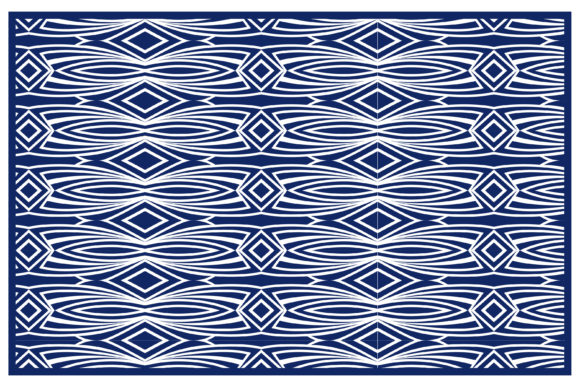
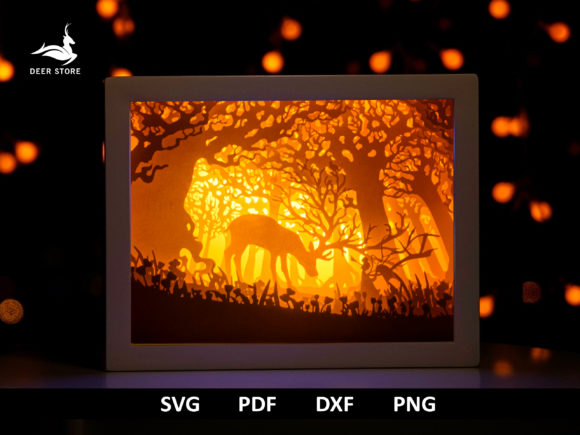
As someone who has spent years navigating the intersection of digital design and physical stitching, I approach every new asset with a critical eye. When I first encountered the 3D Shadow Box Papercut Lightbox Template, my initial reaction was one of fascination mixed with caution. This design is not your standard flat motif; it is born from the world of Laser Cutting, relying on multi-contour layers to create an illusion of depth when backlit by colorful LED lights. The question for us in the embroidery community is simple: Can we translate this architectural paper art into a successful machine embroidery design without losing its soul?
The mood this template creates is whimsical yet sophisticated. It speaks to the quiet magic of a nursery night light or a cozy living room accent. However, moving from paper to fabric requires a shift in thinking. In a Shadow Boxes project, depth is achieved through physical separation of layers. In embroidery, we must simulate that depth using stitch density, thread texture, and strategic layering. If you are an Etsy seller or a small business owner looking to expand your catalog into personalized home decor, understanding this translation is vital before you commit to a commercial run.
Visualizing the Stitch: From Paper to Fabric
Let’s imagine a real-world scenario. You have a client requesting a custom baby blanket or a high-end pillow cover for a nursery. They love the layered aesthetic of the 3D Shadow Box Papercut Lightbox Template. How does this look when stitched? Unlike a simple logo, this design demands a mix of techniques. To mimic the "cut" edges of the paper layers, you would likely rely heavily on crisp satin stitch outlines. The interior areas, representing the solid paper shapes, would require a dense fill stitch to prevent the backing fabric from showing through, which could ruin the illusion of solidity.
I envision this working beautifully on a heavy cotton tote bag or a structured sweatshirt. On these substrates, the thread colors can pop against a neutral background, creating a striking visual that mimics the glow of the original light box. For a custom apparel item, the design acts as a statement piece. However, if you attempt to place this on a thin tea towel or a stretchy knit cap, the intricate contours might distort. The fabric texture plays a massive role here. A smooth, tightly woven canvas allows the fine details of the papercut style to shine, whereas a textured linen might swallow the delicate lines that define the layers.
Navigating Technical Challenges in Real Projects
While the aesthetic appeal is high, the practical application of the 3D Shadow Box Papercut Lightbox Template comes with specific hurdles. One major concern is the hoop size. Because this design relies on multiple overlapping contours to achieve its 3D effect, it often spans a larger area than a single-layered icon. Before purchasing or licensing the embroidery file, you must verify that the dimensions fit within your machine's capabilities. Attempting to stitch a wide, complex layout in a small hoop will result in shifting layers and misaligned edges, destroying the precision required for this style.
Furthermore, consider the stitch density. To make the "layers" stand out, you may be tempted to increase the fill percentage. Be careful. Over-stitching can cause puckering, especially on lighter fabrics. If you are making an embroidered patch or a baby embroidery item where softness is key, too much thread can make the finished product stiff and uncomfortable. Always test the design on scrap fabric first. Check how the running stitch interacts with the satin borders. Does the thread lay flat? Do the corners point sharply, or do they round off due to tension issues?
Another critical factor is the background color. The original template uses light to create contrast. In embroidery, if you use dark thread on dark fabric, the "depth" vanishes. You need high contrast. If you are designing for a holiday gift collection featuring dark velvet or navy denim, you might need to adjust the thread colors significantly to ensure the multi-contour layers remain distinct. A black-on-black design, no matter how well-stitched, will fail to convey the layered essence of the 3D Shadow Box Papercut Lightbox Template.
Commercial Viability and Brand Consistency
For the creative entrepreneur or the Etsy seller, this design offers a unique selling proposition. Most digital embroidery files available are flat and generic. Offering a design that captures the trending "papercut" aesthetic can elevate your brand perception. It signals to customers that you offer premium, thoughtful handmade products. Imagine a boutique shop offering a limited edition series of aprons or kitchen towels featuring this motif. The perceived value increases because the complexity of the stitch work suggests higher labor and skill.
However, maintaining brand consistency is crucial. If your usual style is minimalist and clean, suddenly introducing a highly detailed, multi-layered design like this might feel disjointed unless executed perfectly. The finished product must look intentional. Customers trust makers who pay attention to detail. If the layers bleed together or the stabilizer shows through, it undermines the professionalism of your shop. Use proper stabilizer—tear-away for wovens, cut-away for knits—to ensure the structural integrity of the design remains intact after washing.
This design also works exceptionally well for personalized gifts. A parent might want their child's name integrated into the landscape of the shadow box. But remember, adding text changes the balance. Tiny lettering within the contours of the 3D Shadow Box Papercut Lightbox Template can become illegible if the stitch count is too low or the font is too thin. Always review the printable mockup at 100% zoom to check legibility before running the actual commercial embroidery job.
Practical Notes for the Embroidery Designer
Before you finalize your order or start your production run, take these steps to ensure success:
- Test Run: Never skip the test on scrap fabric. This design has many direction changes and tight corners that can reveal machine calibration issues.
- Stabilizer Choice: Given the density required to mimic solid paper layers, a strong cut-away stabilizer is often necessary to prevent distortion over time.
- Color Strategy: Plan your palette carefully. The "glow" effect of the original template should be simulated by using lighter thread shades for the inner layers and darker shades for the outer silhouettes, or vice versa depending on the base fabric.
- Licensing Check: Confirm whether the license allows for selling finished products or just personal use. As a business owner, you cannot afford legal headaches over design assets.
- Mockup Comparison: View your design in both black and white and full color. Sometimes, a design looks perfect in color but loses definition in grayscale, which affects how it photographs for your online store.
In conclusion, the 3D Shadow Box Papercut Lightbox Template is a powerful tool for designers willing to put in the technical effort. It bridges the gap between modern digital trends and traditional craft. When used correctly on the right fabric texture with the right hoop size, it transforms ordinary items into captivating pieces of art. Whether for a wedding gift, a nursery set, or a trendy tote bag design, this asset has the potential to become a flagship item in your portfolio, provided you respect the intricacies of turning paper illusions into permanent thread.